


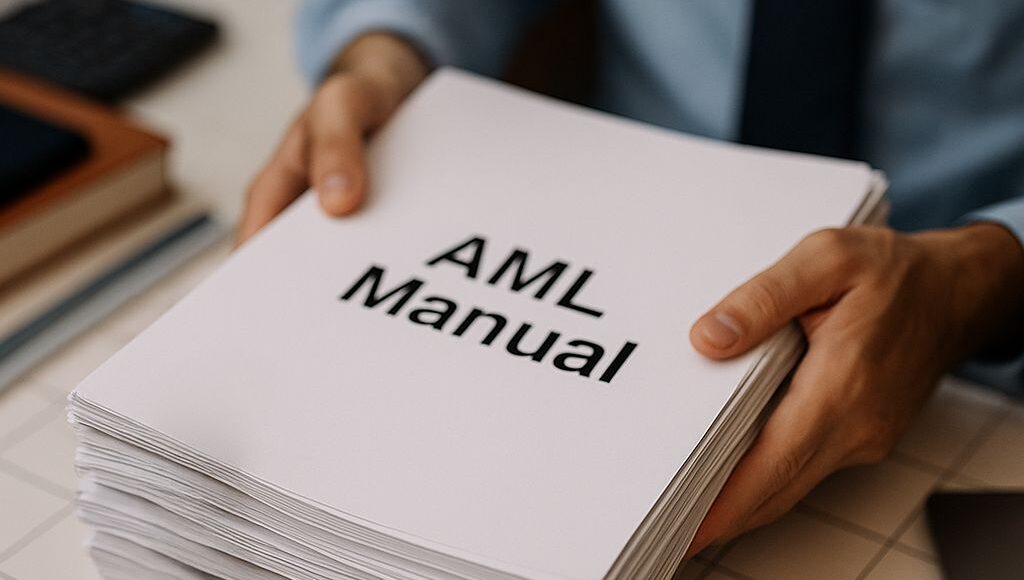
Gold Leaf pregunta: ¿Su manual AML es un documento legal o una herramienta de trabajo?
Por qué esto importa ahora: Los reguladores ya no se conforman con manuales que reformulan la ley. Quieren ver procedimientos que el personal realmente utiliza, evidencia de que los controles funcionan en la práctica y pruebas de que su empresa puede detectar y detener los delitos financieros. Si su marco antilavado de dinero explica qué hacer, pero no cómo hacerlo, usted asume riesgos operativos, de inspección y reputacionales.
Los inspectores de brechas siguen encontrando
Muchos manuales de ALD, CFT y CPF reflejan la legislación vigente. Son legibles y tienen un aspecto ordenado. Sin embargo, durante las inspecciones, a las empresas les cuesta demostrar cómo esas políticas se traducen en controles diarios. Esa brecha entre la política y el procedimiento es donde el cumplimiento falla y donde los delincuentes ponen a prueba sus defensas.
La política te dice qué, el procedimiento te muestra cómo
Una política podría indicar: “Verificar la identidad del cliente mediante documentación fiable e independiente”. El procedimiento responde a las preguntas reales:
- ¿Qué documentos son aceptables para cada tipo de cliente?
- ¿Qué pasos de verificación se llevan a cabo, en qué orden y en qué sistema?
- ¿Quién es responsable de cada paso y quién lo firma?
- Cómo gestionar excepciones y desencadenantes de alto riesgo
- Qué registrar, dónde almacenarlo y durante cuánto tiempo conservarlo
Cuando estas respuestas se documentan e integran en los flujos de trabajo, los equipos actúan de forma coherente y los auditores pueden evaluar los resultados. Cuando faltan, se improvisa y los controles varían según el empleado, la ubicación y el día.
Lo que los reguladores esperan ver en 2025 y 2026
Las revisiones de supervisión modernas buscan:
- Procedimientos claros y prácticos dentro del manual, no en un archivo separado que nadie abre
- Evidencia de que los controles funcionan de la misma manera en toda la empresa
- Capacitación basada en roles que se corresponde con esos procedimientos
- Monitoreo continuo y gestión de información que detecta cuando se omite un control
- Pruebas periódicas, con actualizaciones alineadas con los riesgos emergentes y las nuevas orientaciones
Esto aplica a entidades con licencia y APNFD. Es fundamental para una adecuada diligencia debida en el cumplimiento de las normas (CDD), la debida diligencia en el cumplimiento (EDD), la evaluación de sanciones, el monitoreo de transacciones y la toma de decisiones sobre SAR.
Del papeleo a la herramienta de trabajo: lo bueno parece
Un manual eficaz contra el lavado de dinero:
- Se alinea con la legislación y la orientación local.
- Mapas de controles para flujos de trabajo y sistemas operativos reales
- Especifica propietarios, entradas, salidas y registros probatorios.
- Incluye formularios, listas de verificación y rutas de pantalla que el personal realmente sigue
- Se prueba en casos reales y se actualiza cuando aparecen lagunas.
El resultado es un manual que la gente usa, no un PDF guardado en una unidad compartida.
Diagnóstico rápido: cinco preguntas para la alta dirección
- ¿Puede el personal de primera línea mostrar, paso a paso, cómo completan la CDD para cada tipo de cliente?
- ¿Los gerentes ven una gestión de la información que confirma que la evaluación, el monitoreo y las aprobaciones se ejecutan según lo diseñado?
- Cuando ocurren excepciones, ¿existe una ruta documentada para su revisión, aprobación y solución?
- ¿Podría un auditor reconstruir una evaluación de riesgo del cliente a partir de los registros sin explicación adicional?
- Cuando cambian las regulaciones o los riesgos, ¿quién actualiza el procedimiento, cómo se comunica y cómo se evidencia su adopción?
Si alguna respuesta es incierta, su manual funciona como un documento legal, no como una herramienta de trabajo.
¿Por qué las empresas eligen Gold y Leaf?
Gold Leaf ayuda a los equipos de cumplimiento a pasar de las políticas en papel a los controles en la práctica. Mapeamos flujos de trabajo, probamos controles, integramos procedimientos en manuales y capacitamos a los equipos para su uso. El enfoque es simple: construir sistemas que reduzcan el riesgo, resistan las inspecciones y funcionen siempre de la misma manera.
Tomar medidas
No espere a que una inspección detecte deficiencias. Encargue una revisión práctica que evalúe el funcionamiento diario de sus controles de AML, CTF y CPF, y luego actualice su manual para que se ajuste al funcionamiento real de su empresa.
Próximo paso: Contacte con Gold Leaf en info@goldleafbvi.com Para organizar una revisión integral del manual de prevención del lavado de dinero y la actualización de los procedimientos. Le ayudaremos a convertir un documento de políticas en un manual operativo en el que su equipo pueda confiar.
El cumplimiento eficaz no se trata de cumplir con los requisitos. Se trata de sistemas resilientes que funcionan cuando más importa.